Indore, MP
Some worry is normal in childhood. But when anxiety becomes excessive, persistent, and interferes with school, friendships, or family life, professional help can make a profound difference. Early treatment prevents anxiety from becoming entrenched.
Recognising the Signs
If you experience any of the following, talk to a professional.
Many parents are told that their child is 'just going through a phase' or 'will grow out of it'. While some worry is normal, persistent anxiety that interferes with school, friendships, and daily life is a medical condition that benefits from treatment. Untreated childhood anxiety tends to persist into adolescence and adulthood. Early intervention produces better outcomes and prevents long-term difficulties.
Understanding the difference
| Feature | Normal Worry | Anxiety Disorder |
|---|---|---|
| Duration | Comes and goes, resolves within days | Persists for weeks or months, most days |
| Functioning | Child continues school and activities normally | Interferes with school attendance, friendships, or daily activities |
| Physical symptoms | Mild, brief, tied to specific situations | Frequent stomachaches, headaches, sleep problems, appetite changes |
| Proportion | Matched to the actual situation | Disproportionate, excessive, or about unlikely events |
| Response to reassurance | Comfortable after reassurance | Reassurance provides only temporary relief, worry returns quickly |
About this Condition
Childhood anxiety disorders are among the most common mental health conditions in children, yet they are frequently overlooked or dismissed as 'just a phase'. In India, where academic pressure is intense and emotional wellbeing is often secondary to achievement, many children struggle with anxiety that goes unrecognised for years. If your child is consistently worried, avoiding school, or experiencing physical complaints with no medical cause, it is worth seeking an evaluation.
Anxiety in children looks different from anxiety in adults. Children may not have the vocabulary to describe worry or fear. Instead, they show anxiety through behaviour: refusing to go to school, clinging to parents, frequent stomachaches or headaches, difficulty sleeping, irritability, or meltdowns that seem disproportionate to the situation. Younger children may become overly controlling, have nightmares, or regress in behaviour (bedwetting, baby talk). Older children and adolescents may withdraw from friends, avoid activities they used to enjoy, or complain of constant physical symptoms.
The main types of childhood anxiety include:
Generalised Anxiety Disorder (GAD), where the child worries excessively about multiple things, school performance, health, family safety, the future, and the worry feels out of their control. The worry is present on most days and lasts for months.
Separation Anxiety Disorder, where the child experiences intense distress when separated from parents or attachment figures. This goes beyond normal developmental separation anxiety. The child may refuse to go to school, have nightmares about separation, or experience physical symptoms when separation is anticipated. It is common in children aged 6 to 12 but can occur at any age.
Social Anxiety Disorder, where the child experiences intense fear of social situations, being evaluated, embarrassing themselves, or being judged by peers. This can look like shyness but is significantly more impairing, leading to avoidance of class participation, birthday parties, or any social setting.
Specific Phobias, where the child has an intense, irrational fear of a specific object or situation, dogs, needles, the dark, thunderstorms, that leads to avoidance and distress.
Selective Mutism, where a child who is capable of speaking normally in comfortable settings becomes unable to speak in specific social situations, typically school. This is not defiance or shyness, it is a manifestation of social anxiety.
In India, childhood anxiety is driven by multiple factors. Academic pressure starts early and is often extreme. Family conflict, parental anxiety, overprotective parenting, and limited emotional expression in the home environment can all contribute. Stigma around children's mental health means many parents delay seeking help, believing the child will 'grow out of it'. Studies show that untreated childhood anxiety tends to persist into adolescence and adulthood, making early intervention important.
The good news is that childhood anxiety is highly treatable. CBT adapted for children, combined with parent training, produces excellent outcomes. Treatment does not involve years of therapy; most children show significant improvement within 12 to 16 sessions.
Understanding the roots
Children's brains are still developing the circuits that regulate fear and worry. In anxious children, the fear response is more easily activated and harder to calm. These are developmental differences, not character flaws.
Anxiety runs in families. Having a parent with an anxiety disorder increases a child's risk significantly. This is biology, not parenting failure.
India's intense academic environment, starting from early childhood, creates chronic stress. Comparison with peers, pressure to perform, and limited free play contribute to anxiety in vulnerable children.
Parental anxiety, overprotective parenting, family conflict, and limited emotional expression can model or reinforce anxious patterns. These are risk factors, not causes, many anxious children come from loving, supportive families.
Clinical Profile
These are the most commonly reported signs.
By the numbers
Children Affected
5 to 10%
of children worldwide have an anxiety disorder
Source: WHO Global Burden of Disease Study
Treatment Response
60 to 80%
of children improve significantly with CBT
Source: Journal of the American Academy of Child & Adolescent Psychiatry
Average Delay
2 to 8 years
from symptom onset to treatment in India
Source: Indian Journal of Psychiatry, 2019
Outcomes
Before Your Visit
Knowing what to expect can ease the anxiety of your first appointment.
The Process
How we deliver treatment in Indore
A thorough 45-60 minute evaluation involving the child and parents. Standardised screening tools measure severity. Co-occurring conditions like ADHD, depression, or learning difficulties are screened for.
A tailored treatment plan is created, typically combining child-focused CBT (age-appropriate techniques) with parent training in anxiety management. The specific approach depends on the child's age, anxiety type, and severity.
Weekly sessions with the child using play, storytelling, and gradual exposure. Parallel parent sessions teach how to support brave behaviour and manage accommodation patterns. Homework for both child and parents drives progress.
Once anxiety is substantially reduced, the focus shifts to maintaining gains, building the child's independent coping skills, and preventing relapse. Parents are equipped to handle future anxiety flare-ups at home.
Questions
Some anxiety is a normal and healthy part of childhood development. However, when anxiety is persistent, severe, and interferes with school attendance, friendships, or daily functioning, it is a clinical condition that benefits from treatment. Early intervention prevents anxiety from becoming entrenched and reduces the risk of it persisting into adulthood.
Yes. CBT for children is adapted for their developmental level using play, storytelling, art, games, and simple language. Children as young as 5 to 6 can engage effectively in CBT when it is delivered in an age-appropriate way. The therapist works at the child's pace, not the adult's.
For most children, CBT combined with parent training is sufficient. Medication is considered when anxiety is severe, has not responded to therapy alone, or is causing significant impairment. SSRIs are the first-line medication and are generally safe and effective for children. I discuss the full picture with parents before any medication decision.
Most children show meaningful improvement within 12 to 16 sessions, though this varies by severity and how consistently homework is practised. Some children improve quickly, while more complex cases may require longer. Progress is reviewed regularly, and parents are involved throughout.
Yes, significantly. Anxious children often have difficulty concentrating, avoiding class participation, refusing to attend school, or spending so much mental energy worrying that academic performance declines. School refusal is one of the most common reasons parents seek help. Treating the anxiety typically improves academic performance as well.
School refusal is when a child consistently refuses or is unable to attend school due to anxiety. It is not truancy, the child wants to go but feels unable to. Treatment involves gradual exposure to school situations, CBT techniques for managing anxiety, and parent coaching to respond effectively. Most children return to school with appropriate support.
No. Selective mutism is a form of social anxiety where a child who is capable of speaking normally becomes unable to speak in specific social situations, typically school. It is not defiance, shyness, or a language problem. It requires specific treatment, usually CBT with exposure techniques, and responds well to early intervention.
Avoid accommodating anxiety by letting the child avoid all feared situations, this reinforces the anxiety. Instead, acknowledge their feelings, encourage brave behaviour in small steps, model calm coping, and maintain routines. Parent training through therapy teaches specific strategies. I provide guidance tailored to your child's specific anxiety.
Your Doctor
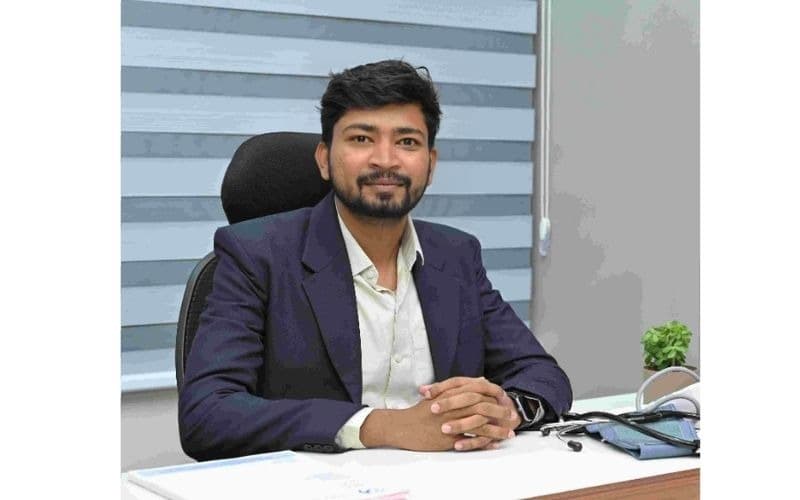
I provide age-appropriate evaluation and treatment for childhood anxiety, combining evidence-based CBT with parent training. I work closely with both the child and family to address anxiety effectively, using techniques suited to the child's developmental level. My clinic is based in Indore and sees children from across Madhya Pradesh.
Learn more about Dr RajvardhanExplore
Anxiety disorders are medical conditions characterised by persistent, excessive worry, physical tension, and fear that interfere with daily life. They are not a personality flaw or something you should be able to control alone. Expert psychiatric treatment in Indore can help you regain control.
Learn more about Anxiety DisordersAttention Deficit Hyperactivity Disorder (ADHD) is a neurodevelopmental condition involving persistent inattention, hyperactivity, and impulsivity that interfere with daily functioning. It is not laziness or a parenting failure. Effective medication and behavioural strategies are available for children and adults in Indore.
Learn more about ADHD (Attention Deficit Hyperactivity Disorder)Depression is a medical condition characterised by persistent low mood, loss of interest, and changes in sleep, appetite, and energy that last for weeks or months. It is not stress, weakness, or something you can simply snap out of. With expert psychiatric treatment in Indore, most people recover fully and feel like themselves again.
Learn more about Depression