Indore, MP
Attention Deficit Hyperactivity Disorder (ADHD) is a neurodevelopmental condition involving persistent inattention, hyperactivity, and impulsivity that interfere with daily functioning. It is not laziness or a parenting failure. Effective medication and behavioural strategies are available for children and adults in Indore.
Recognising the Signs
If you experience any of the following, talk to a professional.
About 60-70% of children with ADHD continue to experience significant symptoms into adulthood. Adult ADHD looks different, less running around, more internal restlessness, chronic disorganisation, and difficulty finishing what you start. If you have always felt like you are not living up to your potential, ADHD may be the reason.
Understanding the difference
| Feature | Childhood ADHD | Adult ADHD |
|---|---|---|
| Hyperactivity | Running, climbing, inability to sit still | Internal restlessness, fidgeting, difficulty relaxing |
| Inattention | Difficulty in schoolwork, forgetting instructions | Difficulty at work, poor time management, incomplete projects |
| Impulsivity | Interrupting, difficulty waiting turns | Impulsive decisions, blurting out, spending impulsively |
| Diagnosis | Usually identified at school or by parents | Often missed, may be diagnosed with depression or anxiety instead |
| Impact | Academic difficulties, social challenges | Career underachievement, relationship strain, chronic stress |
About this Condition
ADHD (Attention Deficit Hyperactivity Disorder) is one of the most common neurodevelopmental conditions, affecting an estimated 5-7% of children and 2-3% of adults worldwide. In India, awareness has improved significantly in recent years, but many children and adults remain undiagnosed, particularly women and girls, who often present with the inattentive subtype and are less likely to be identified.
ADHD is characterised by persistent patterns of inattention, hyperactivity, and impulsivity that interfere with functioning or development. It is not a behavioural problem or a parenting failure. It is a biological condition involving differences in dopamine and norepinephrine signalling in the brain, particularly in the prefrontal cortex, which governs executive function, attention regulation, and impulse control.
There are three presentations of ADHD:
Predominantly Inattentive, difficulty sustaining attention, frequent careless mistakes in work or schoolwork, difficulty organising tasks, losing things, being easily distracted, forgetfulness in daily activities, and difficulty following through on instructions. This presentation is often missed, especially in girls and women, because the person is not disruptive, they are just quietly struggling.
Predominantly Hyperactive-Impulsive, fidgeting, difficulty sitting still, excessive talking, difficulty waiting turns, interrupting others, and acting without thinking. This presentation is more visible and more likely to be identified in childhood.
Combined, meeting criteria for both inattention and hyperactivity-impulsivity. This is the most common presentation.
In adults, ADHD often presents differently than in childhood. Hyperactivity may decrease or be replaced by internal restlessness. Inattention and executive dysfunction tend to persist, difficulty managing time, organising tasks, completing projects, maintaining focus during meetings or reading, and following through on commitments. Adults with ADHD frequently describe a pattern of starting strong but struggling to finish, chronic underachievement relative to their potential, and difficulty maintaining relationships and employment.
The impact of undiagnosed ADHD in adults is substantial. It is associated with higher rates of depression, anxiety, substance use, relationship difficulties, employment instability, and traffic accidents. Many adults with ADHD have been told their whole lives that they are lazy, not trying hard enough, or that they would succeed if they just focused, which misses the point entirely.
I provide comprehensive ADHD evaluation using standardised assessment tools, clinical interviews, and collateral information. Treatment is personalised and may include medication, behavioural strategies, and psychoeducation.
Understanding the roots
ADHD is one of the most heritable psychiatric conditions. If a parent has ADHD, there is a 50-65% chance their child will have it too. Multiple genes are involved, each contributing a small amount of risk.
ADHD involves differences in brain structure and neurotransmitter function, particularly dopamine and norepinephrine pathways in the prefrontal cortex. These differences affect attention regulation, impulse control, and executive function.
Premature birth, low birth weight, prenatal exposure to tobacco or alcohol, and early childhood lead exposure are associated with increased ADHD risk. These are risk factors, not causes, most people with ADHD have none of these.
Clinical Profile
These are the most commonly reported signs.
By the numbers
Children Affected
5-7%
of children worldwide have ADHD
Source: WHO Global Burden of Disease Study
Adults Affected
2-3%
of adults worldwide have ADHD
Source: American Psychiatric Association
Underdiagnosed in Women
~75%
of women with ADHD are not diagnosed until adulthood
Source: Journal of Attention Disorders, 2020
Outcomes
Before Your Visit
Knowing what to expect can ease the anxiety of your first appointment.
The Process
A clear path from your first visit to feeling better.
A thorough 60-minute assessment using standardised tools, clinical interviews, developmental history, and collateral information. For adults, this includes exploring childhood symptoms that may have been missed.
An appropriate medication (typically a stimulant like methylphenidate) is started at a low dose and gradually titrated. I monitor both effectiveness and side effects closely during this phase.
Once medication is stabilised, the focus expands to practical strategies, organisational skills, time management, and behavioural techniques tailored to your specific challenges. For children, parent training is included.
Regular follow-ups to monitor ongoing effectiveness, adjust as needed, and support you through life transitions (school changes, career moves, relationships). ADHD management evolves as your life does.
Questions
Yes. ADHD is a lifelong neurodevelopmental condition. Many adults are diagnosed later in life after years of struggling with attention, organisation, and impulse control. Adult ADHD often presents differently, more inattentive and less hyperactive than childhood ADHD. If you have always felt disorganised, forgetful, or unable to focus, ADHD screening is worth discussing.
Not necessarily. Treatment duration depends on symptom severity, response, and developmental stage. Some children outgrow the need for medication in adolescence, while others benefit from continued treatment into adulthood. Decisions are made collaboratively and reviewed regularly.
While awareness has increased diagnosis rates, ADHD is also significantly underdiagnosed in adults, women, and certain populations. I use thorough, standardised assessment to ensure accurate diagnosis, neither overdiagnosing nor missing genuine cases.
When taken as prescribed for ADHD, stimulant medications do not produce the euphoria or addiction seen with misuse. In fact, properly treated ADHD reduces the risk of substance use disorders. I monitor usage carefully and selects formulations that minimise risk.
For mild ADHD, behavioural strategies and coaching can be helpful. For moderate to severe ADHD, medication produces significantly better outcomes than behavioural interventions alone. Most evidence-based guidelines recommend medication as the first-line treatment. I will discuss the approach that matches your specific situation.
Side effects from ADHD medications are usually dose-dependent and manageable. Common side effects include appetite suppression, sleep difficulty, and mild stomach discomfort. I adjust doses, switches formulations, or changes medications to find the best balance. There are always options.
ADHD diagnosis involves a comprehensive evaluation, standardised rating scales, clinical interviews, developmental history, and collateral information (from parents, partners, or school records for children). There is no single blood test or brain scan that diagnoses ADHD. The evaluation ensures an accurate, thorough diagnosis.
Adult ADHD often feels like chronic underachievement despite effort, difficulty finishing projects, forgetting important appointments, losing things constantly, struggling to focus during meetings or reading, impulsive decisions, emotional quick temper, and a persistent sense of not living up to your potential. Unlike childhood ADHD, hyperactivity may be replaced by internal restlessness rather than physical fidgeting.
ADHD is a lifelong neurodevelopmental condition, so you do not develop it as an adult. However, many adults are diagnosed later in life because their symptoms were missed in childhood, particularly women with the inattentive subtype. If you have always struggled with attention, organisation, and impulse control, adult ADHD screening is worth discussing even if you were never diagnosed as a child.
Your Doctor
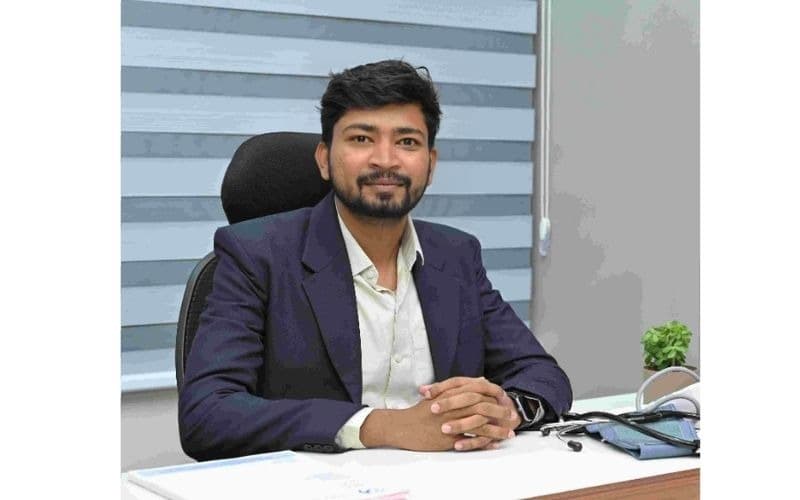
I provide comprehensive ADHD evaluation and treatment for both children and adults. I combine careful medication management with practical strategies for daily life, and works with patients and families to build sustainable approaches. My clinic is based in Indore and sees patients from across Madhya Pradesh.
Learn more about Dr RajvardhanExplore
Some worry is normal in childhood. But when anxiety becomes excessive, persistent, and interferes with school, friendships, or family life, professional help can make a profound difference. Early treatment prevents anxiety from becoming entrenched.
Learn more about Childhood AnxietyDepression is a medical condition characterised by persistent low mood, loss of interest, and changes in sleep, appetite, and energy that last for weeks or months. It is not stress, weakness, or something you can simply snap out of. With expert psychiatric treatment in Indore, most people recover fully and feel like themselves again.
Learn more about DepressionAnxiety disorders are medical conditions characterised by persistent, excessive worry, physical tension, and fear that interfere with daily life. They are not a personality flaw or something you should be able to control alone. Expert psychiatric treatment in Indore can help you regain control.
Learn more about Anxiety Disorders